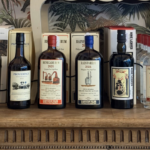
This article is also available in French right HERE.
Please note It’s auto-translated, may contains little errors.
On Friday, September 11, I had an engagement in Belgium for an exceptional masterclass. I won’t hide the immense joy that filled me that evening, as the expert accompanying us was none other than Christopher Bellail, Rum Product Manager at LM&V – one of the (already? future?) great figures of rum- or at least within my close circle for the past few years. This article will attempt to pay tribute not only to the expert’s detailed explanations and the various players in the rum world, but also to the exceptional spirits presented. The task seems almost insurmountable as I write these few lines, but… here goes nothing, let’s dive in!
Intro
So here we are in Courtrai (Kortrijk, for our Belgian friends), right in front of the RumStylez shop! Since no fewer than 24 enthusiasts are expected, and David wanted to pull out all the stops, our evening will exceptionally take place upstairs at The Lab Social Club restaurant. A large U-shaped table arrangement allows for easy conversation and gives our guest plenty of space. Generous platters are laid out on the tables, leaving us comfortably settled for an intense three hours.
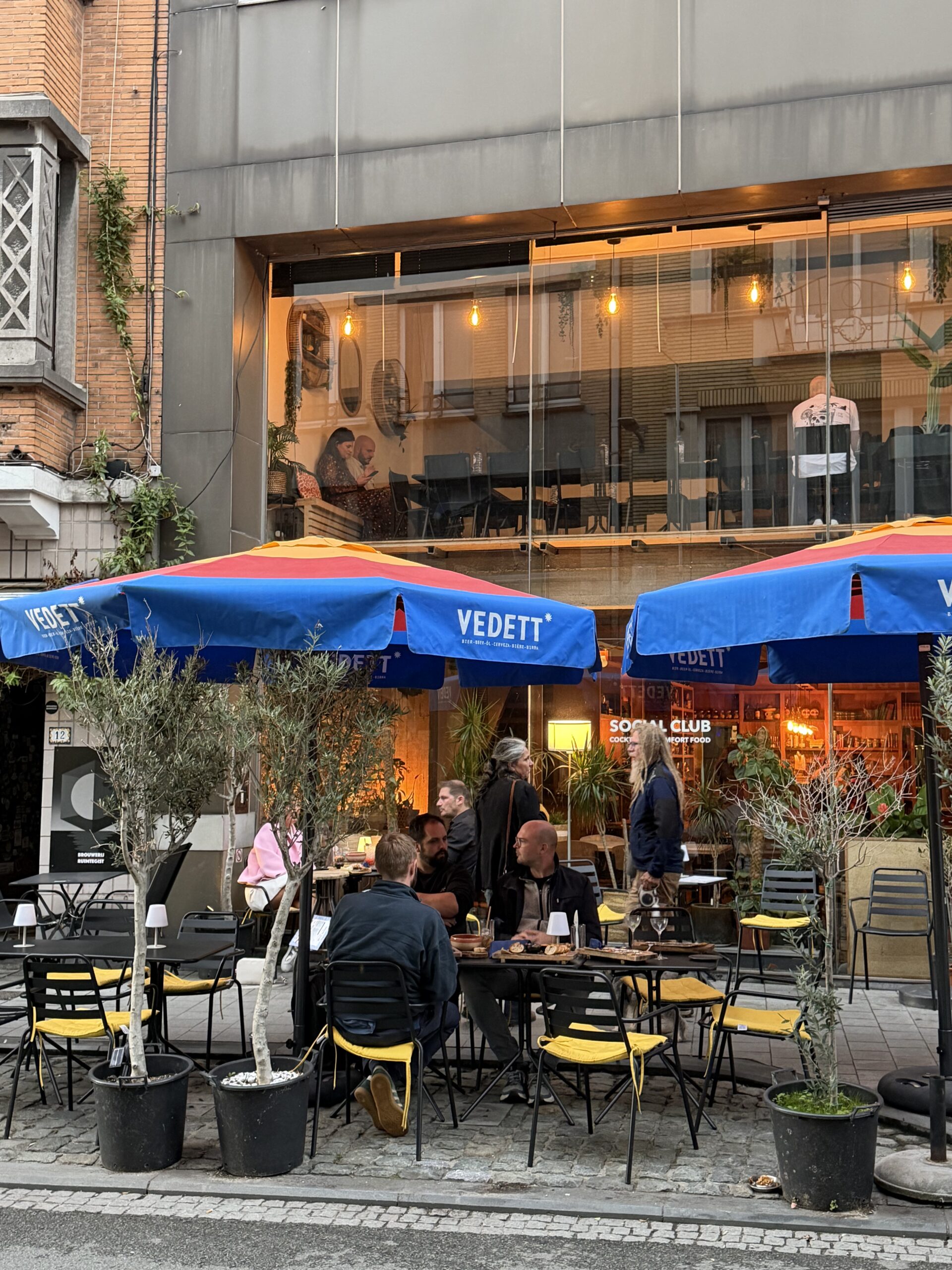
A showcase for La Maison & Velier of course (and beyond), highly detailed explanations thanks to Chris’s deep expertise (who had just returned from Jamaica, with the scent of Hampden almost still hovering around him), and sharing among enthusiasts. In short, all the ingredients are there for a great time.
The protagonists
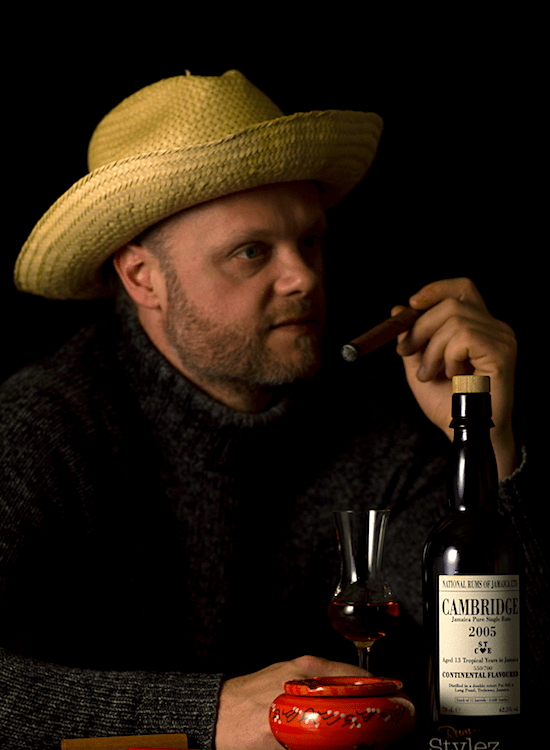
David Dobbelaere, the unmissable Belgian enthusiast & wine merchant, was our host. This rum & cachaça fanatic created his own shop, « RumStylez, » a few years ago, and has even released some truly fine bottlings (ohhh, my favorite Chairman ❤️). I wrote a dedicated article about him, which you can find here – LIEN.
What I love about David is his simplicity and laid-back attitude. He is sharp, ultra-professional, but above all, incredibly hospitable (even my three-year-old son has never managed to break him, ahahah). He knows how to put everyone at ease in seconds; you quickly feel right at home, which is why I love dropping by his shop – you just need to plan for a few hours, because among enthusiasts, we never know when to stop. I highly recommend going to meet the Man, with a capital M.
PS: If you’re not from around here, take advantage of his online shop RumStylez or order through the RumX app!
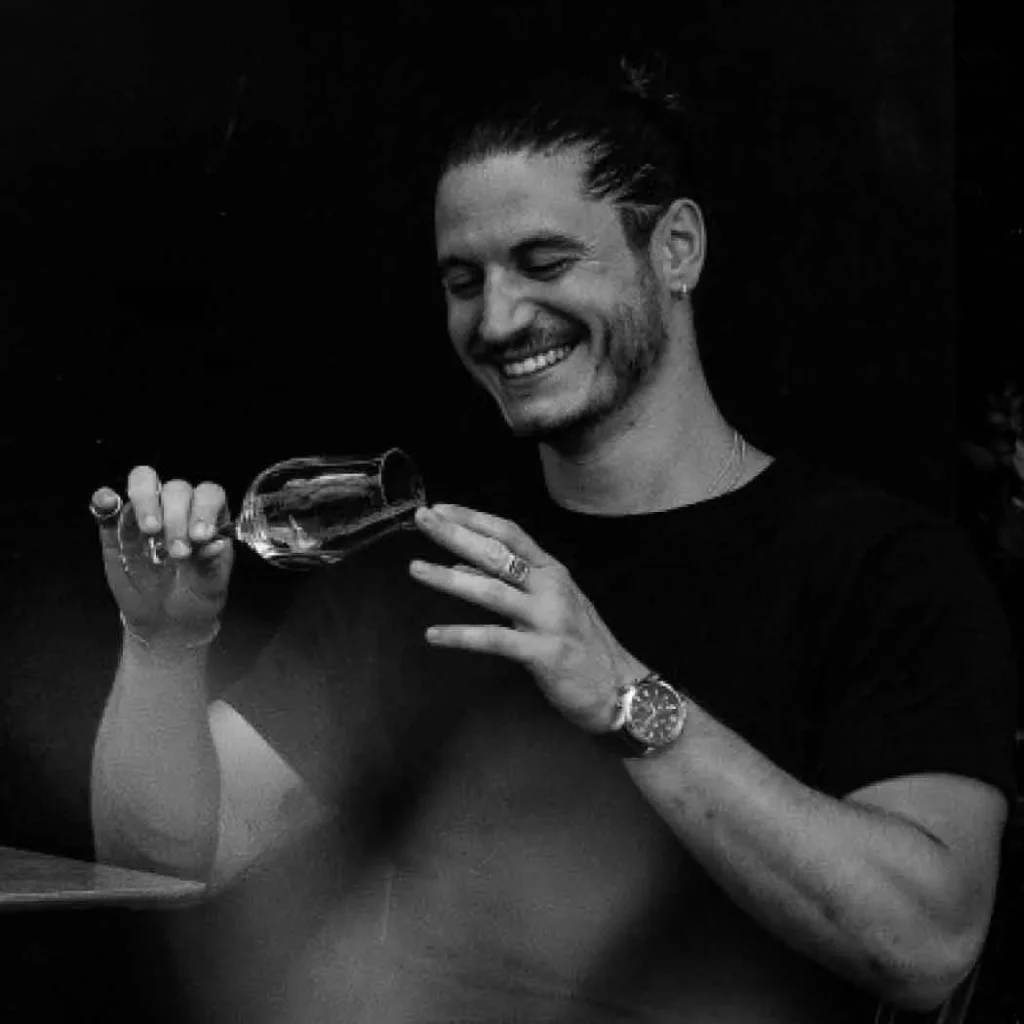
Christopher Bellail (@Cris_Inacio), Rum Product Manager for LM&V, was the star attraction of the evening in my eyes. This rum (and Clairin) expert has been one of the key players in the rum world in France (and beyond) for over 15 years. In 2018, he brought the rum collection at Bar 1802 in Paris to its full glory, building up over 1,600 references (now the largest rum bar in Europe?). At the same time, he co-founded the Rhum Society, aiming to rethink tasting events. In 2023, he joined La Maison & Velier, where he manages commercial development for the rum portfolio – a role combining product development, marketing, and spirits expertise, all while leveraging the exceptional aura of Velier (in my view, the single biggest player in promoting and premiumizing rum for the past 30 years) and La Maison du Whisky (an extraordinary distributor and major French player that shines every year through its massive trade show, Whisky Live Paris).
In short, I’ve known Chris for a few years now, but I hadn’t yet had the pleasure of seeing him in action like this, and I can tell you he set the bar remarkably high. Hats off to the artist!
La Maison & Velier
In the world of rum, certain names don’t just select bottles: they help change the way we approach, view, and taste them. La Maison & Velier is one of them. Born in 2017 from the alliance between La Maison du Whisky and the Italian house Velier, the company carries a demanding vision of spirits: prioritizing origin, raw materials, distillation – with an emphasis on the pot still – aging, and above all, the history, culture, and people who craft our precious spirits every day.
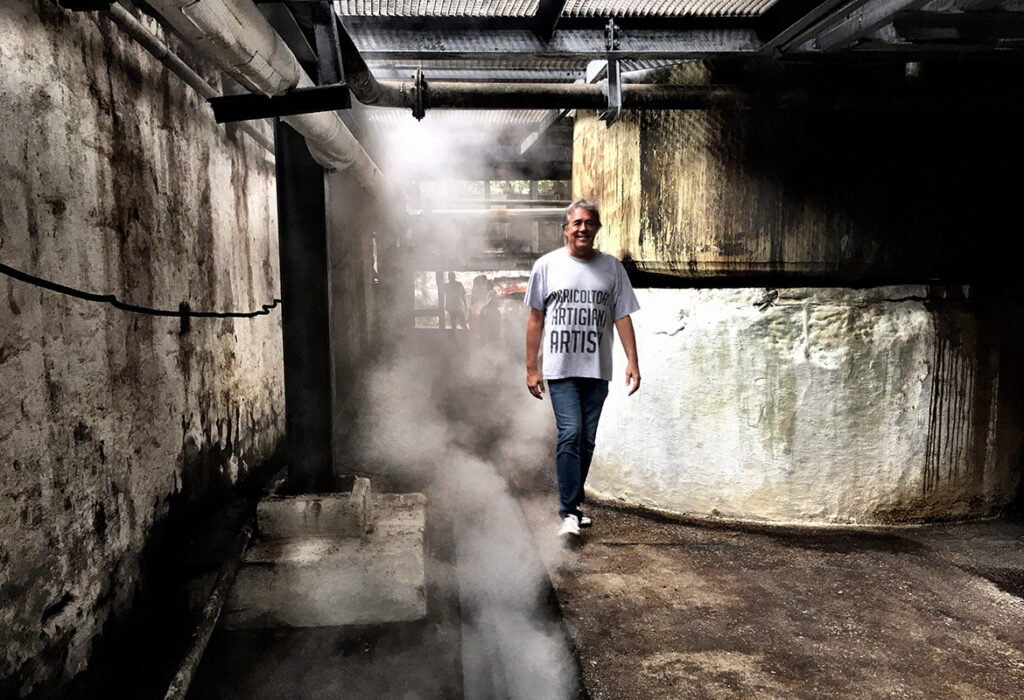
This philosophy owes a great deal to Luca Gargano, a major figure in contemporary rum and a tireless explorer of terroirs. From the mythical Demerara of Guyana to the rums of Caroni, we also owe to him (as well as Daniele Biondi) the exceptional spotlight put on Haitian clairins with their most radical expressions. From raw material to still, he has championed a transparent, non-standardized rum capable of telling the story of a place just as much as a craft. An approach of which, for instance, the Habitation Velier range centered on pure single rums – a classification that Luca himself established – remains in my view one of the most striking expressions in the rum world.
It is precisely this transparency, this expertise, and this invitation to travel that Chris offered us during this masterclass: six bottlings, six stops, and one shared conviction – rum is never defined merely by a color, an age, or an origin. Between sugarcane, molasses, long fermentations, stills, climatic influences, and the craftsmanship of producers, the tasting etched the philosophy of La Maison & Velier into our minds.
Make no mistake: while Velier is indispensable, La Maison & Velier highlights products that are still underrated, and the brand itself is not yet all that widely known. Part of my work today is also to help you understand it better and spark your interest!
Classifications in the world of rum
After this spotlight on LM&V, Chris gave us a refresher on the broad strokes of rum history. We won’t dwell on that here – I think I’ve already done part of that job on the blog and social media. However, several detailed point – and I must admit I completely share this perspective – were brought to our attention, particularly regarding classification, or rather the various classifications in the rum world.
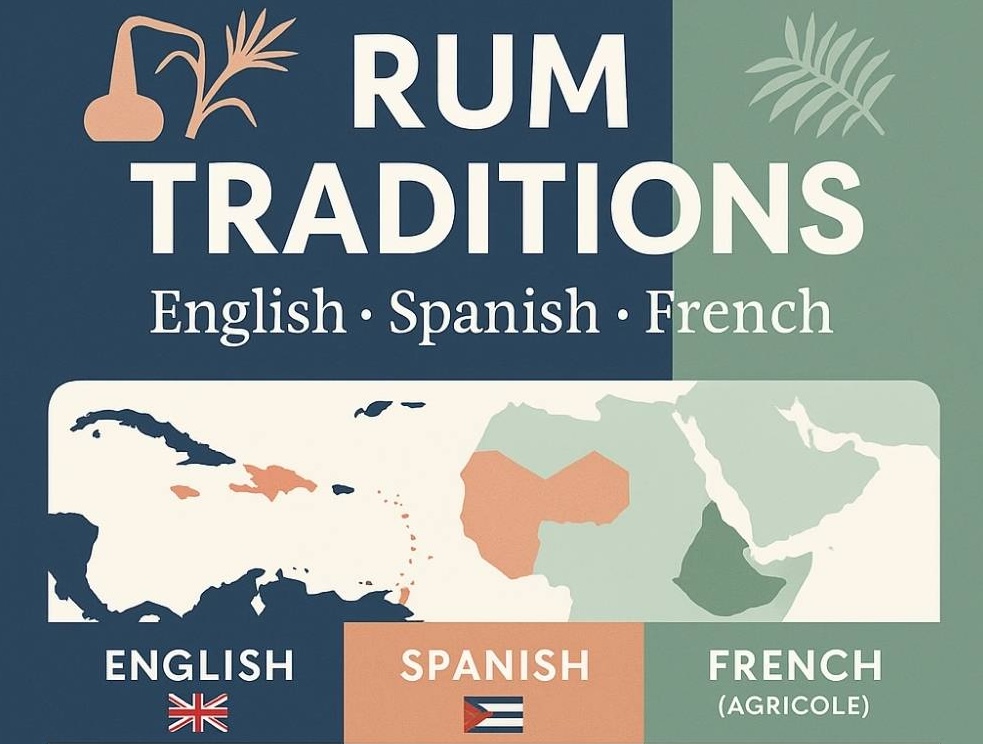
Classifications in the world of rum (continued)
If pitting pure sugarcane juice against molasses makes no sense, and if every country now produces diverse rums with styles that are sometimes radically different – to the point where our basic intro on Hispanic, English, and French traditions feels quite outdated – how then should we classify the diversity of rum today?
Luca Gargano and Velier certainly have their own idea, which they’ve developed with insane expertise, drawing inspiration notably from the world of whisky (and its famous single malts), while pushing the concept even further.
« Gargano » Classification
Source & rights : VELIER.
Note: While Chris didn’t cover the full explanation, I felt this section was important enough to include 👀.
The Observation: A Lack of Clarity for the Consumer
In the early 2000s, following the massive enthusiasm for the « rum wave » of the 1990s (driven by cocktails like the Mojito and Cuba Libre), interest in rum began to stall in pioneering markets like Italy.
Luca Gargano identified the main cause: the absence of clear categories. Unlike whisky – which managed to structure its range by elevating the perception of the product (from Blended to Single Malt, then to Cask Strength) – rum remained a vague catch-all where everything was simply labeled « rum. »
It was almost impossible for a consumer to tell the difference between:
- An artisanal rum, rich in aromas and distilled traditionally,
- An industrial rum, mass-produced in high-proof multi-columns and consisting almost entirely of neutral ethanol.
The Catalyst: The Influence of Whisky
It was during conversations with Charles Gordon (then owner of the William Grant & Sons distillery and a pioneer in launching Pure Single Malts like Glenfiddich in the 1960s) that Luca Gargano refined his thinking.
For whisky, the term Single Malt guaranteed:
- 100% pot still distillation,
- Sourcing from a single distillery.
Luca Gargano realized a similar logic needed to be applied to rum to highlight the craftsmanship of artisanal distilleries and allow enthusiasts to spot high-quality rums aged at their place of production.
What Defines the Gargano Classification
The Gargano classification doesn’t seek to rank all rums by their ingredients or terroir (which would create an infinite number of subcategories), but instead focuses on the most decisive factor for the aromatic profile: the distillation method.
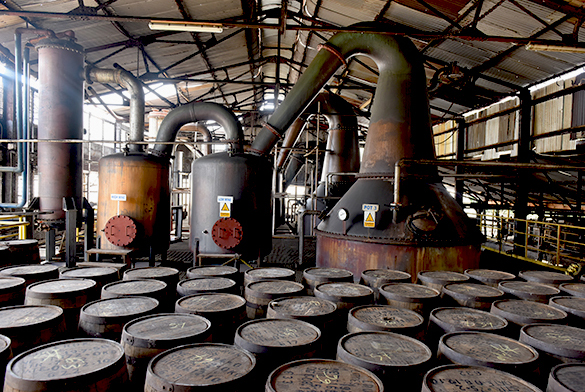
In fact, high-yield industrial distillation strips away all the benefits of quality raw materials or extended fermentation. Conversely, traditional methods preserve non-alcohol components (congeners), which give the spirit its full complexity and aromatic richness.
– Rum made from batch distillation using different types of stills (in my classification it’s termed Pure Single Rum, on the same pattern as Pure Single Malt whiskeys);
– “Traditional” rum distilled from Coffey or Creole column stills – broadly identifiable as the so-called agricultural rum made from pure sugar cane juice;
– Single Blended rum, a unique case in the world of spirits. As some distilleries have both continuous columns and batch stills, Single Blended refers to rum produced in a single distillery by blending different types of rum from both continuous and batch distillation;
– Ordinary rum distilled from multi-column stills.
You’re now expert of rum classification !
Tastings
After that « short hour » of introduction, which flew by all too fast, we dove right into the tastings. Generous pours, 2cl per person – in Belgium, they certainly know how to enjoy life!
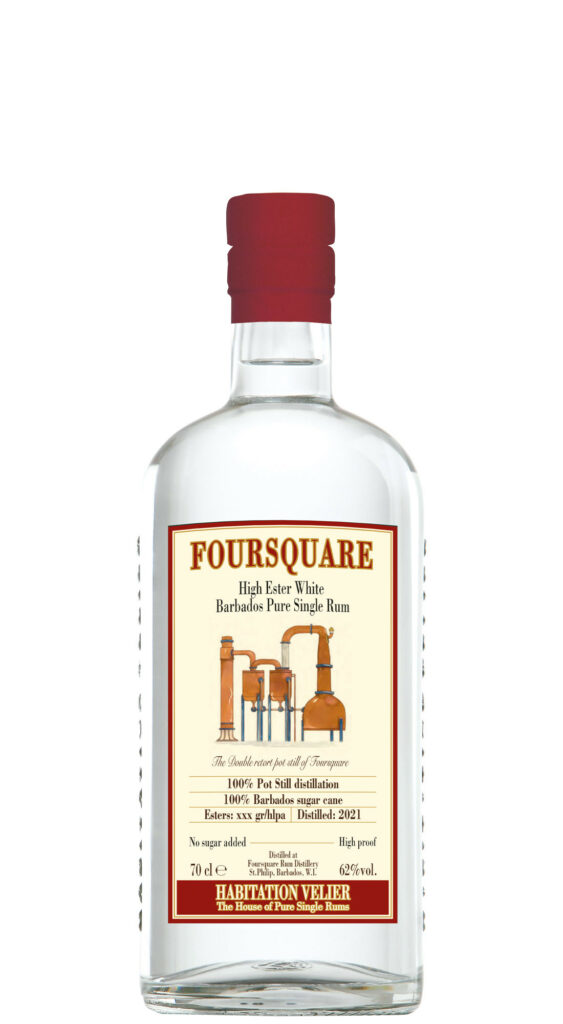
1 – Habitation Velier – Foursquare LFT White – High Esters 62%
Category: Pure Single Rum
Raw materials: Pure sugarcane juice & molasses
Fermentation: Indigenous yeast
Production method: Pot still distillation
Note: It seems this is the first time Foursquare has released a 100% Pot Still rum.
Find the notes from the RumX community: LIEN.
Nose: Subtle notes typical of an unaged molasses rum: glue, aniseed, medicinal hints, white chocolate, and green olive.
Palate: Surprisingly crisp and direct, with citrus and redcurrant notes – very fruity.
Finish: A bit short, fruity with hints of varnish; the alcohol is remarkably well integrated.
A rare blend of fermented molasses and pure sugarcane juice, coupled with a long fermentation… resulting in a rum that offers a wonderful experience and a striking duality! I really enjoyed it, and it makes a killer Daiquiri.
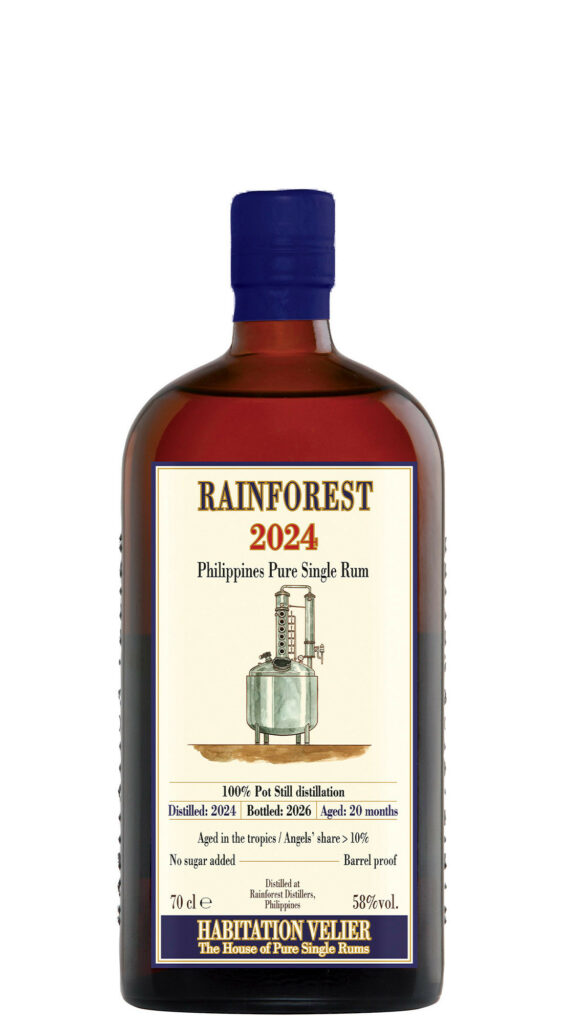
2 – Habitation Velier – Rainforest 2024 – 58%
Category: Pure Single Rum
Raw material: Molasses
Fermentation: Selected yeast
Production method: Pot still distillation
Aging: Tropical
Find the notes from the RumX community: LIEN.
Details: The Rainforest distillery, located in the Philippines, was founded in 2015 by master distiller Marc Schulze, creator of Kasa Kaña Agrikultura rum. This Habitation Velier bottling is crafted from the Philippine sugarcane variety Manpu. Fermentation lasts between 9 and 11 days and incorporates young « muck » cultivated in the tropical biome of Bukidnon. Aged for 20 months in ex-Chardonnay casks, this rum shows an angel’s share exceeding 10%.
Nose: There’s something off-putting to me, though I can’t quite put my finger on it. Overall acidic, with citrus, kumquat, and hints of fruit eau-de-vie.
Palate: Much better – a nice cask influence with caramel, pear, fruit eau-de-vie, bitter cherry, raspberry… there’s a lot going on!
Finish: Vanilla, spices, candied orange peel dipped in chocolate, and that persistent acidity coming back again.
An intriguing tasting that left me on the fence – I honestly can’t tell if I liked it or not.
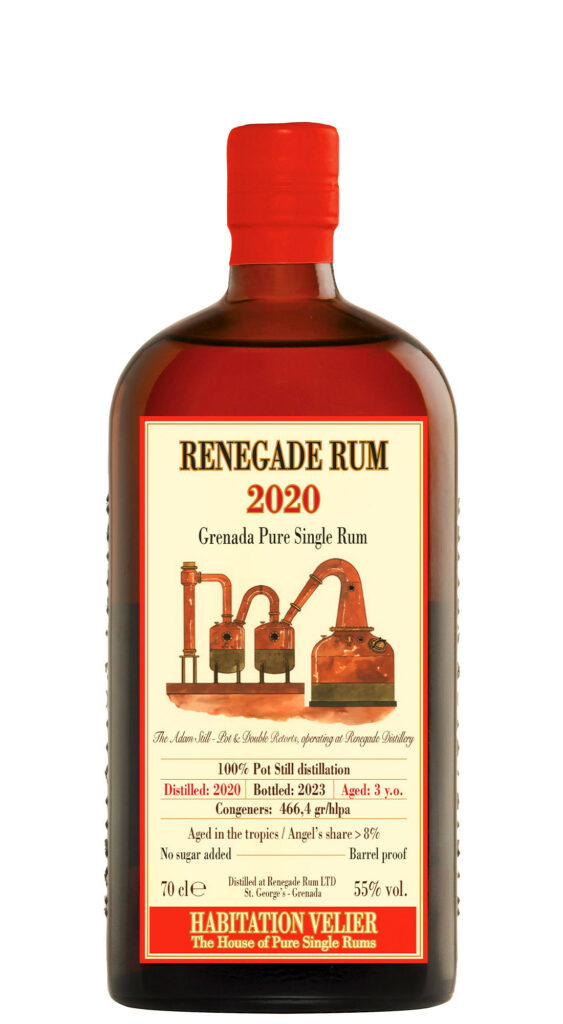
3 – Habitation Velier – Renegade 2020 – 3 Y.O, 55%
Category: Pure Single Rum
Raw material: Pure sugarcane juice
Fermentation: Selected yeast
Production method: Pot still distillation
Find the notes from the RumX community: LIEN.
Note: The distillery didn’t last long – it is now closed… and reportedly up for sale!
Nose: Sugarcane notes, a subtle acidity, citrus, and maybe even a hint of… tomato!
Palate: No doubt about it, this is a pure juice rum – grassy, citrusy, fairly rich on the palate with dried apricot notes and a nice peppery kick in the background.
Finish: Long, driven by sugarcane, orange, and spices.
Only three years under its belt, but already showing great promise. What a pity the Renegade adventure has come to an end so soon!
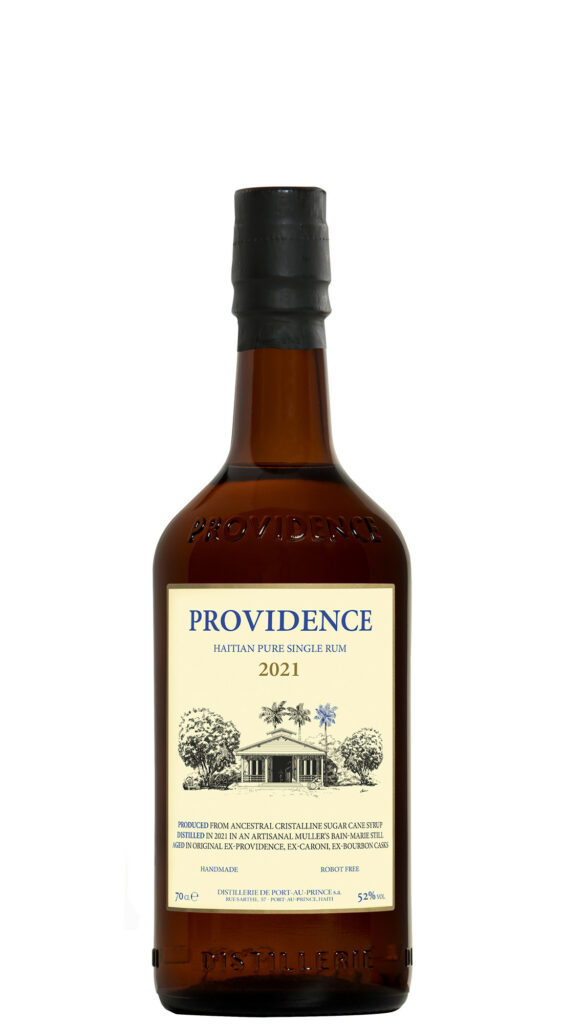
4 – Providence – Aged 3 Y.O – 2021 – 52%
The tasting takes us further afield, specifically to Haiti.
Category: Pure Single Rum
Raw material: Sugarcane syrup
Fermentation: Indigenous yeast
Production method: Traditional pot still distillation
Aging: Tropical
Find the notes from the RumX community: LIEN.
Details: The new bottling from Providence is a blend of 17 casks: 5 ex-Caroni, 5 ex-Providence (American oak), and 7 ex-bourbon. Crafted from ancestral Cristalline variety sugarcane and distilled at the Port-au-Prince distillery using a Müller water-bath pot still, this rum was aged for 3 years in a tropical climate. Limited edition.
Nose: Complex and elegant. Sugarcane, butter, menthol notes, and spices – all exceptionally well-balanced and integrated.
Palate: Sugarcane and butter with a richer, pastry-like character, yet keeping that subtle menthol touch and a hint of liquorice.
Finish: Liquorice, menthol, and smooth, well-integrated oak. Wonderfully fresh.
Elegant and masterfully executed – i particularly enjoyed this one.
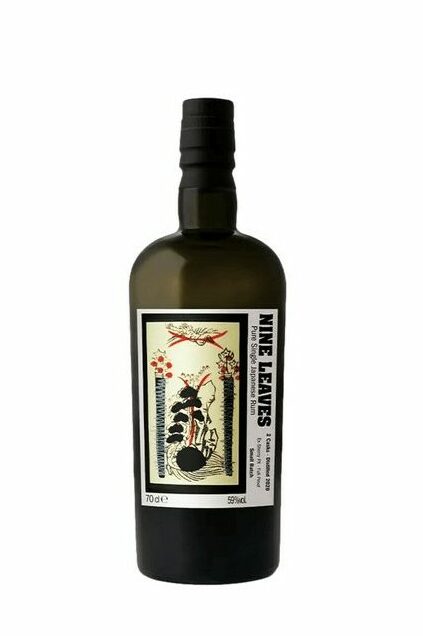
5 – Nine leaves – 5 ans 2020 – small batch PX – 59%
Distilled in Japan by Nine Leaves in small batches, using unrefined black sugarcane sugar (known as Kokuto), and double distilled in pot stills to preserve body and complexity. Aged for 5 years in ex-Pedro Ximénez (PX) Sherry casks, which bring aromatic concentration and a velvety texture.
Find the notes from the RumX community: LIEN.
Nose: A lovely vanilla-laced sugarcane aroma with a emerging sweetness and a subtle medicinal edge.
Palate: Pastry-like, with dried fruits, dates, and a distinctly tannic grip from the cask.
Finish: Apricots and tannins.
Without reinventing Nine Leaves’ signature style, this expression is very good overall.
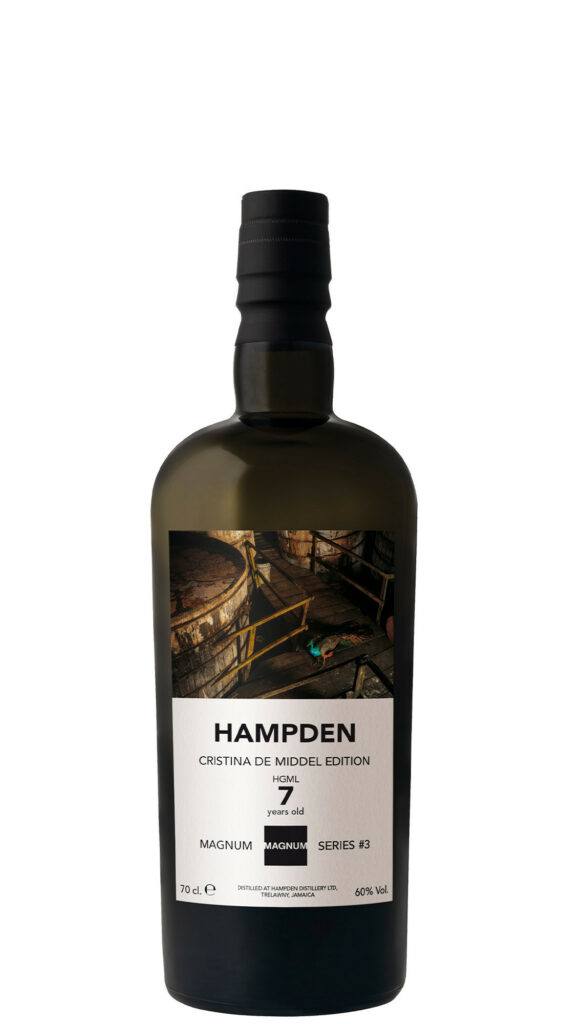
6 – Magnum – Hampden HGML – 7 Y.O. 2018 – 60%
Category: Pure Single Rum
Raw material: Molasses
Fermentation: Indigenous yeast
Production method: Traditional pot still distillation
Aging: Tropical
Find the notes from the RumX community: LIEN.
Details: While the first series featured the photography of Elliott Erwitt and the second paid tribute to Alex Webb, this third edition invited Cristina de Middel, a Spanish photographer and outgoing president of the Magnum agency. De Middel spent a one-week artistic residency at Hampden at the invitation of La Maison & Velier. Four photographs taken during her stay were selected to grace the labels of this third series. The label for the Magnum Hampden HGML 7 Y.O. features an image that Cristina de Middel titled « Junjo » – a Jamaican slang term for the mold or fungus that grows on surfaces like fabrics, floors, and walls.
Nose: Very refined, with lovely fruity notes of pineapple; it’s quite soft with a subtle backdrop of glue.
Palate: The same underlying profile and a real pleasure to sip – super ripe fruits paired with a light smoky/olive nuance.
Finish: Long and smooth, showcasing beautiful, richly fruity esters.
I really enjoy this mark – even though varnish and glue notes are present, they remain very approachable.
Did you know?
A few fascinating anecdotes shared during the masterclass:
Terroir: Some rum enthusiasts refer to Trelawny Parish as « the Islay of Jamaica » due to its distinctive, intensely funky, and ester-rich profile.
Chanel No. 5: A few drops of high-ester Hampden rum are actually used as an ingredient in the iconic Chanel No. 5 perfume to enhance its aromatic complexity.
Häagen-Dazs: Hampden rum is also the secret ingredient behind Häagen-Dazs Rum Raisin ice cream.
Fermentation Capacity: The Hampden distillery operates over 90 wooden fermentation vats – an incredible scale!
Conclusion
It’s hard to truly convey how thrilled I was with this evening, but it will certainly remain etched in my memory. A fantastic experience that wrapped up with a massive Daiquiri alongside the whole team, with Chris still full of energy – if a bit exhausted from his latest trip. Hats off to him: keeping up for nearly four hours in English with live hosting, presentation, and cocktails was no small feat! 🙌
Please drink responsibly. Alcohol abuse is dangerous for your health.
A superb La Maison & Velier masterclass, pot stills galore, and some absolute flavor bombs!
THE JACK DROP — THE BLOG ABOUT RUM, MEZCAL & OTHER SPIRITS — BASED IN LILLE, FRANCE